
Retail chain pulls ‘Gay in a Manger’ Christmas sweater


By Anugrah Kumar, Christian Post Contributor Sunday, November 10, 2024Screenshot/X

Retail chain Debenhams has removed a controversial “Gay in a Manger” Christmas sweater following backlash from Christian groups in the United Kingdom. The retailer pulled the item, produced by alternative clothing brand Grindstore, after religious leaders and advocacy groups denounced it as disrespectful and called for a boycott.

The purple sweater, adorned with an LGBT rainbow, was priced at £38.99 ($50.37) and available on Debenhams’ online marketplace. It also featured a “Gay in a Manger” slogan that critics saw as a mockery of Christianity.

Grindstore’s product was listed on the Debenhams website through seller Pertemba Global, and the company has since also removed other Christian-themed products, including “Ah-men” greeting cards and a “Bad Religion” T-shirt depicting Jesus on a motorcycle, the Daily Mail reported.

Get Our Latest News for FREE

Subscribe to get daily/weekly email with the top stories (plus special offers!) from The Christian Post. Be the first to know.

The advocacy group Christian Concern had opposed the product, encouraging a boycott of Grindstore.

Andrea Williams, CEO of Christian Concern, stated that the merchandise was offensive to Christians and declared, “The company producing these products should be boycotted.”

The group also took to social media platform X, calling for accountability. “Disgraceful that @Debenhams were selling this product. A full public apology must follow.”

Pastor Rikki Doolan of the Spirit Embassy church in London was also among those who voiced their criticism, demanding equality in treatment across faiths.

On X, Doolan wrote, “The main issue at hand here is, if you are going to mock people’s faith then why do you only do it to Christianity? What is it that makes you feel it’s ok to do it to us? Unless you have gay Muhammad and Buddha T-shirts that we don’t know of?”

Later, celebrating Grindstore’s removal of the products, Doolan posted, “RESULT! @grindstore have removed all of their Jesus related products from their store. Well done saints, we are more unified than ever before.”

Debenhams responded to the uproar by acknowledging the concerns raised.

“We are aware that a product line featured on our marketplace has raised some questions,” the company said in a statement. “In line with our policies, we are reviewing the products and have temporarily paused them while we investigate.”

Grindstore, the Norfolk-based company responsible for creating the sweater, also released a statement. “As a small business we are always open to listening to feedback,” the company said. “We have now removed the highlighted products, our apologies … the intention was not to offend or insult anyone.”

Public figures have also commented on the issue.

Former Conservative Member of Parliament Sir Jacob Rees-Mogg criticized Debenhams, stating, “Debenhams would not mock Islam in this way.”

Debenhams, which was bought by Boohoo in 2021 following its closure of physical stores, now operates as an online-only retailer.

In 2017, bakery chain Greggs issued an apology for using a sausage roll to replace Jesus in a nativity scene advertisement, which also sparked backlash from Christian groups.

The contentious products were also available on other major online retail platforms such as Amazon. It was not clear if Amazon had taken any action in relation to the items.


Source link

Pastor who killed girlfriend sees life conviction upheld


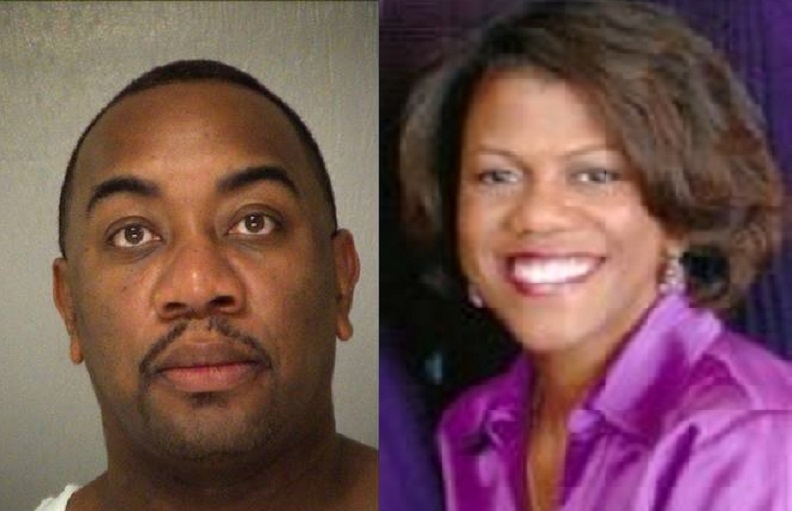
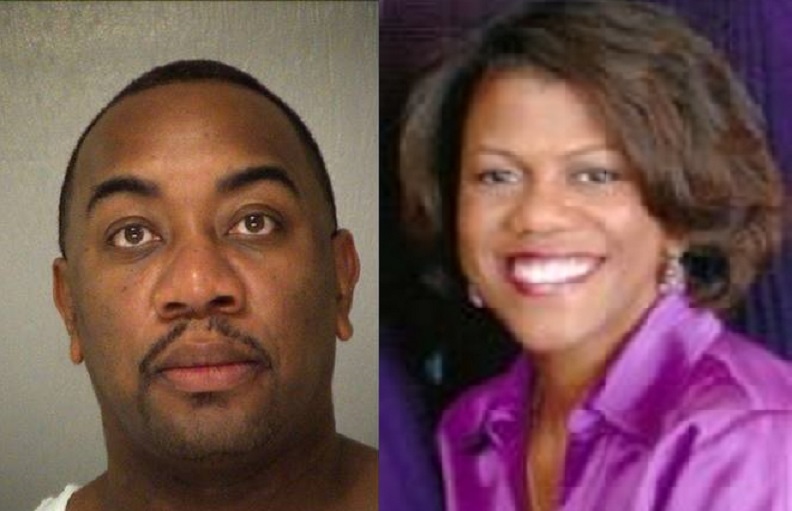
By Anugrah Kumar, Christian Post Contributor Sunday, November 10, 2024Pastor William C. Pounds III, (L) and his late fiancée Kendra Jackson, 46, (R). | Mug Shot; Family photo

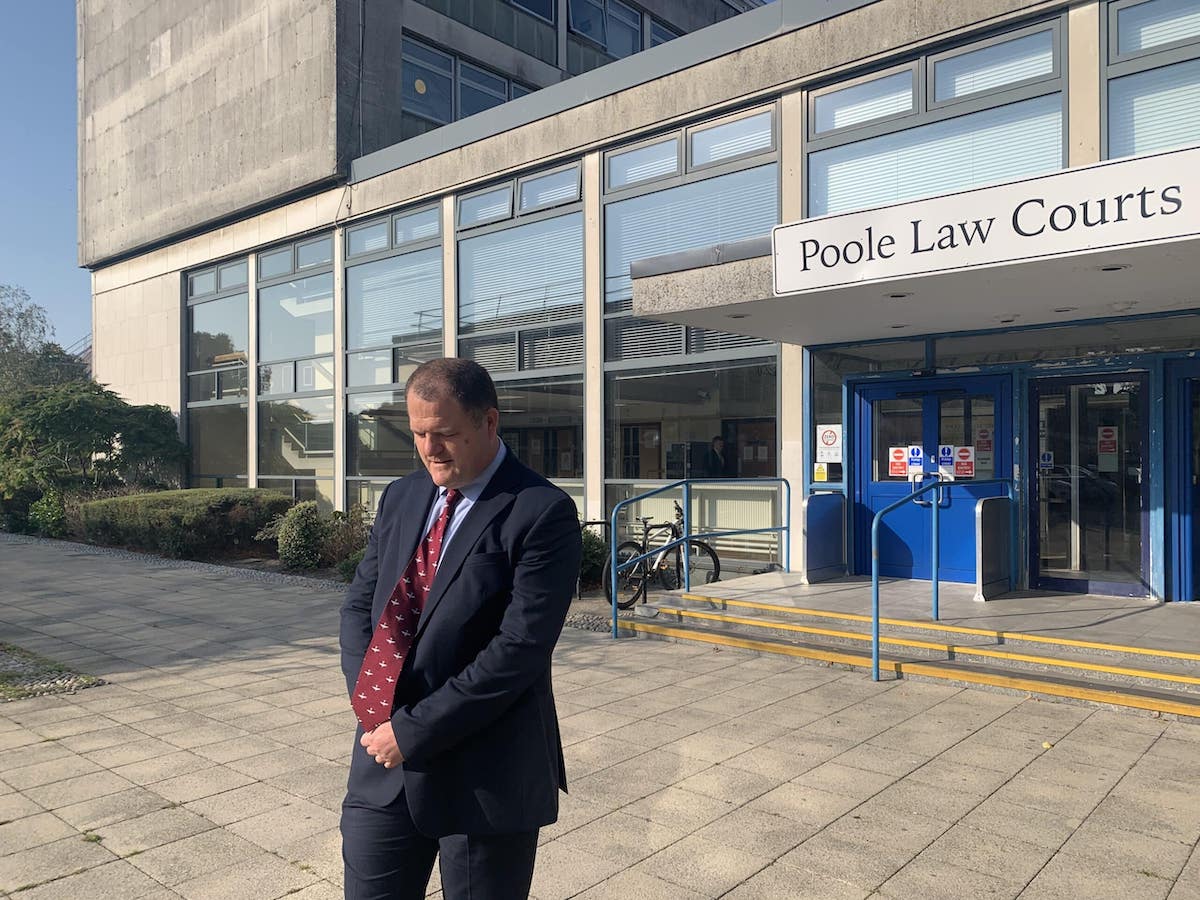
The Georgia Supreme Court has upheld the life sentence of a pastor who led a double life and murdered his fiancée on their wedding day. William Pounds, a former church pastor, was convicted of killing Kendra Jackson in 2015, and the court affirmed that the evidence presented at trial was sufficient for his conviction.

The jury had “ample” evidence, the state Supreme Court ruled on Tuesday, 13WMAZ reported.

Pounds, who served at King’s Chapel Memorial CME Church in Perry, Georgia, reportedly led a deceptive double life for years.

Get Our Latest News for FREE

Subscribe to get daily/weekly email with the top stories (plus special offers!) from The Christian Post. Be the first to know.

The ex-pastor had two girlfriends simultaneously, both believing they were his true love. The two women discovered each other in May 2015 when they both showed up to surprise him on National Pastor Appreciation Day, leading to turmoil.

The Georgia Supreme Court noted that Pounds lied to both women, manipulating them into staying with him.

In June 2015, Pounds was set to marry Vicinda Crawford, but on the day of the wedding, his other girlfriend, Kendra Jackson, was found dead from a gunshot wound. Pounds claimed Jackson had shot herself in his bedroom after learning of his plans to marry Crawford, but evidence at trial contradicted this.

Forensic testimony showed “no evidence that [Jackson] had the gun in her hand” when shot. Experts also testified that Jackson had been left facedown for at least 10 minutes before being moved, countering Pounds’ claims of calling for help immediately.

During the trial, prosecutors highlighted discrepancies in Pounds’ statements, including changes in his story during the 911 call.

Pounds initially claimed Jackson shot herself while trying to grab the gun but later altered his story, suggesting he was trying to take it from her, according to The Macon Telegraph.

A firefighter at the scene testified that Pounds initially claimed he wasn’t in the room when Jackson supposedly shot herself. Police also discovered two bullets had been fired — one into Pounds’ bed and another into Jackson’s head — raising further suspicions. Prosecutors argued that Pounds tried to cover up the evidence by making his bed to hide the bullet hole.

Upholding the conviction, the Georgia Supreme Court pointed to Pounds’ inconsistencies, his history of violence and forensic evidence. 

Prosecutor Jason Martin presented text messages between Jackson and Crawford, where Jackson wrote, “What happens in the darkness always comes to light,” referring to Pounds’ deceit. Martin also referenced Pounds’ use of a Bible during the trial, accusing him of using it as a façade to manipulate the jury. “Perhaps he should have spent more time reading his Bible instead of juggling two fiancées,” Martin remarked.

After the guilty verdict was read, Pounds closed the Bible in front of him, focusing more on his appearance than expressing remorse for Jackson’s death.

During the sentencing, Judge Howard Z. Simms said, “Mr. Pounds — and I’m not gonna dignify you by calling you Rev. Pounds, you didn’t earn that — you are a liar, you are a manipulator, and frankly, you are an outright charlatan.” Simms added that he had never heard so many lies in his courtroom.

Pounds was sentenced to life in prison without parole, a sentence now upheld by the Georgia Supreme Court.

Pounds’ lawyer, Franklin J. Hogue, admitted during closing arguments that his client had been deceitful, describing Pounds as a “self-centered hypocrite.” However, he argued, “He’s not a murderer.”

Pounds will spend the rest of his life behind bars.


Source link

Watchdog shares how Christians can help persecuted believers


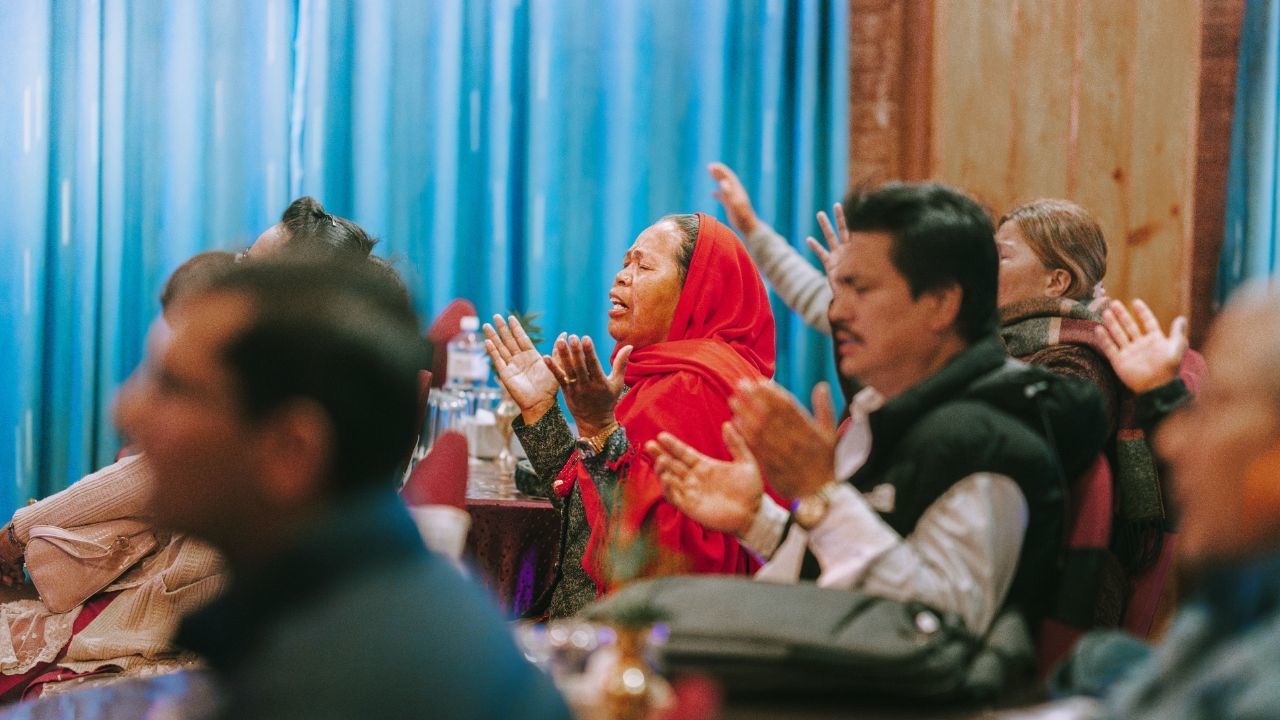
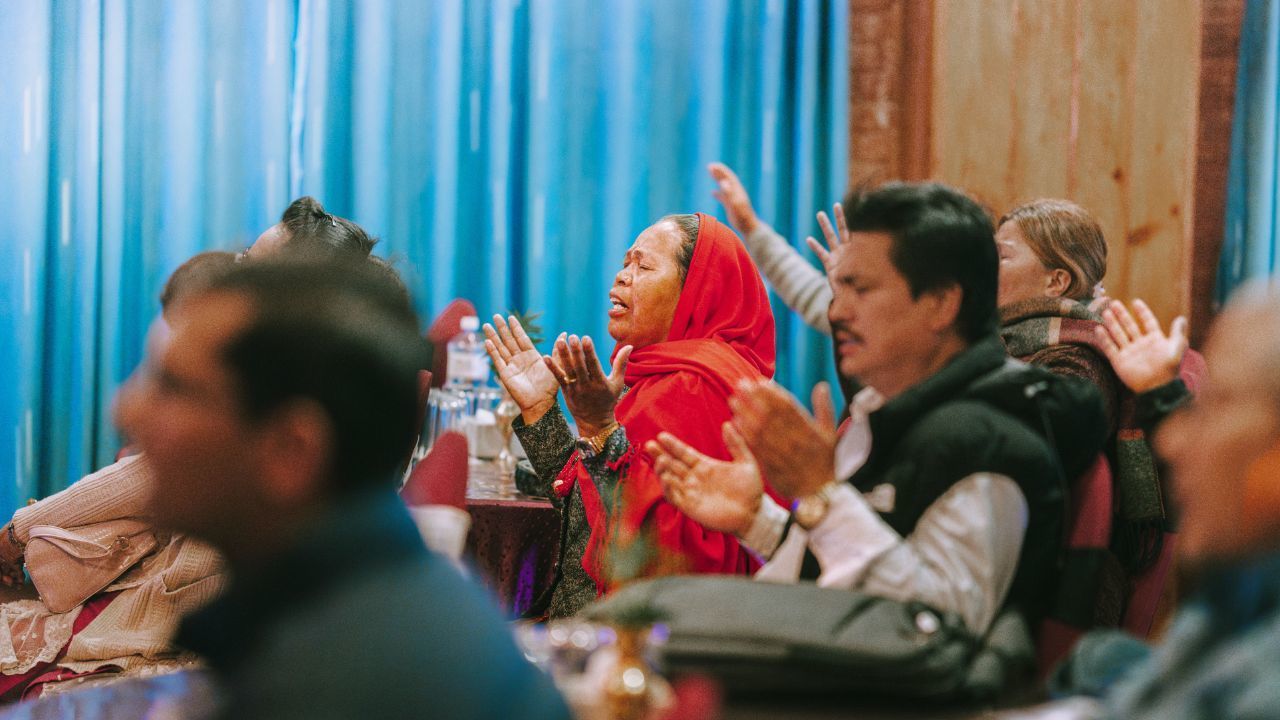
By Samantha Kamman, Christian Post Reporter Sunday, November 10, 2024Global Christian Relief is reminding churches in the West to uplift through persecuted brothers and sisters through, including those in Nepal. | Courtesy of Global Christian Relief

One of the challenges to supporting persecuted Christians abroad is that many in the West don’t realize just how much their brothers and sisters in Christ suffer for their faith, according to the head of a leading advocacy group.

Global Christian Relief (GCR) is an advocacy group dedicated to uplifting persecuted Christians through practical support and providing the Gospel to those in need. The organization serves five regions worldwide, including Central and East Asia, Latin America and Southeast Asia. 

GCR also seeks to remind Christians to stand in solidarity with their oppressed brothers and sisters and not to remain ignorant of their sufferings. 

Get Our Latest News for FREE

Subscribe to get daily/weekly email with the top stories (plus special offers!) from The Christian Post. Be the first to know.

“There has been a rise in the persecution and oppression of Christians over the last 15 years or so,” GCR President and CEO David Curry told The Christian Post. “And we need to awaken to that and do a couple of things.”

Last Sunday, GCR hosted a livestream for the International Day of Prayer for the Persecuted Church, an observance for Christians around the world who are subjected to violence and discrimination for their beliefs. 

The event included a kit with short stories about several individuals who overcame adversity, including a survivor of Boko Haram massacres in Nigeria and an advocate for the underground church in North Korea. The kit also features testimonies from persecuted Christians whose stories of oppression might not be as well-known, such as a woman from Nepal who faced discrimination for leaving Hinduism.  

While many in the West are familiar with the plight of Christians in Nigeria, considered by various advocates to be one of the “deadliest” places in the world for people of faith, Curry noted that Nepal doesn’t appear to be on most people’s radar. 

One reason for this, he suggested, is that reports of Christian persecution in Nigeria typically involve more physical violence, which tends to draw more attention. Even if the level of violence is not the same in Nepal as it is in Nigeria, Curry emphasized that Christians in the South Asian country still face persecution. 

“We don’t want to see people get hurt, but what we really want is to start at the top and say, ‘Do you know what’s happening to your brothers and sisters around the world?’” Curry said. 

“Including Nepal and the pressures they face just to do the simple things like read Scripture, go to church peacefully and practice their faith. That’s not a given in Nepal.” 

As GCR and other advocacy groups like Open Doors have noted, while Nepal is no longer a Hindu State, Nepali Christians face the threat of being attacked by their families or even forced out of their homes for believing in Christ. The government also oppresses Christians through anti-conversion laws and the shuttering of churches. 

Another challenge is that many people in Nepal are illiterate and rely on oral communication, making it difficult for Nepali Christians to read the Bible. GCR has tried to help by working with local partners in the area to distribute audio Bibles in local languages to Christians throughout the country. Last month, GCR reported delivering around 40,000 audio Bibles to Nepal. 

Global Christian Relief delivers the Gospel to Nepali Christians through audio Bibles distributed by the organization’s local partners. | Courtesy of Global Christian Relief

Still, Curry stressed that one way Christians in the West can continue to stand up for their persecuted brothers and sisters is to pray. 

“Because we have to recognize this is a spiritual battle,” Curry stressed. “First, we’ve got to start with prayer. It’s life or death. So we’ve got to understand it’s more than just politics; that’s why we start with prayer, and then there’s advocacy.” 

“I think once people get into this and they see that their voice makes a difference, then we can start talking about this with our representatives, having our churches pray about it, and we can move the needle on Western governments, the U.S., the U.K., France, speaking out for Christians who are being persecuted for their faith.”

Samantha Kamman is a reporter for The Christian Post. She can be reached at: samantha.kamman@christianpost.com. Follow her on Twitter: @Samantha_Kamman


Source link

Travel: Postcard from Clarksville, Tennessee


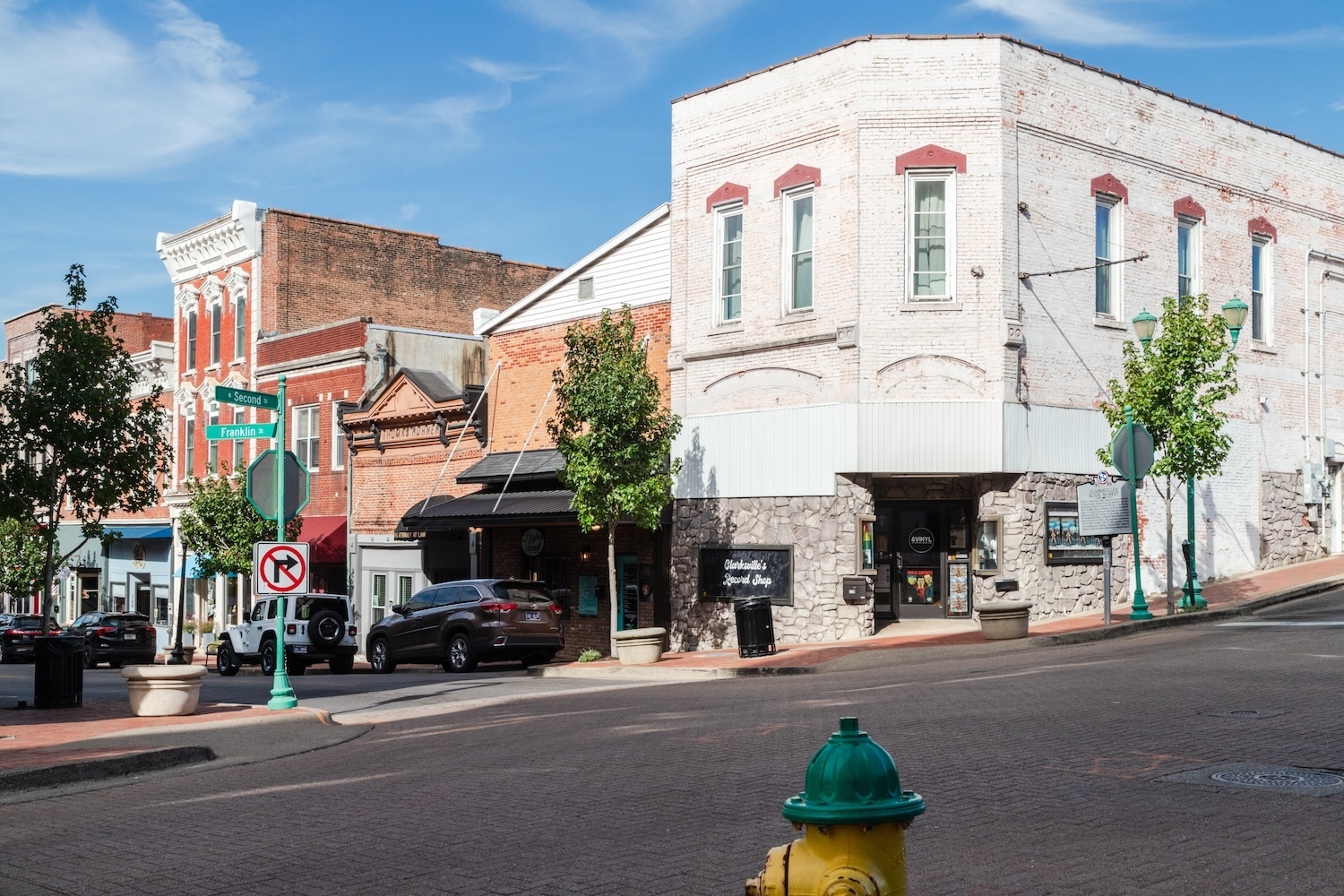
By Dennis Lennox, CP Contributor Sunday, November 10, 2024Downtown Clarksville, Tennessee. | Dennis Lennox

Once an outpost on the early frontier and later a port for steamers carrying tobacco and cotton, this town in northern Tennessee is today a hidden gem.

Clarksville, the seat of Montgomery County, has maintained a small-town vibe even though its population of 166,722 souls at the last census makes it the Volunteer State’s fifth-largest city.

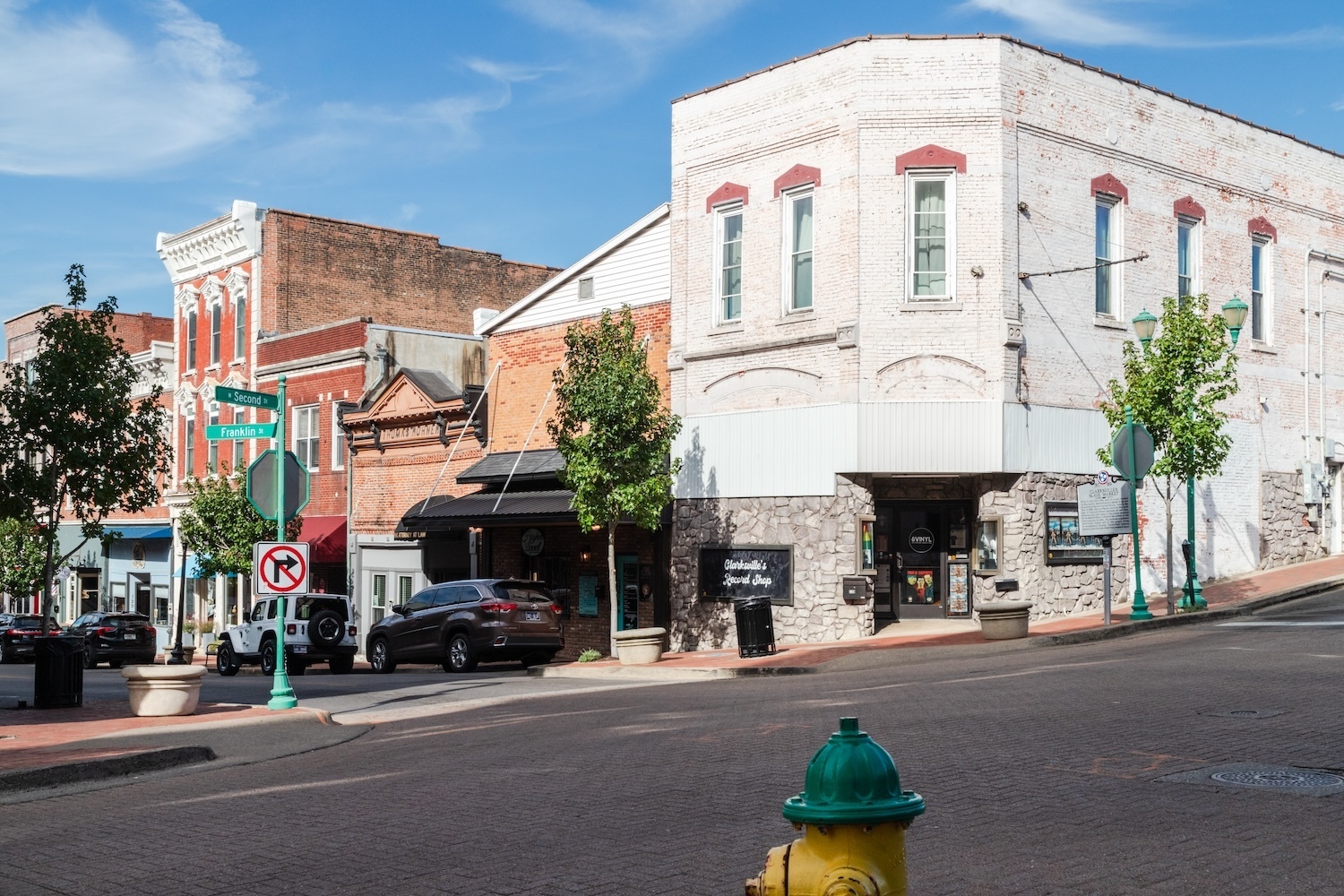
Downtown sits on a hill above the Cumberland River, near its confluence with the Red River. With some exceptions, including parking garages and the newly built 5,500-seat F&M Bank Arena, the streetscape on and around Main and Franklin streets is mostly red brick buildings from the second-half of the 19th century. Other more recent additions belong to the campus of Austin Peay State University.

Get Our Latest News for FREE

Subscribe to get daily/weekly email with the top stories (plus special offers!) from The Christian Post. Be the first to know.

Downtown Clarksville, Tennessee. | Dennis Lennox

Four buildings — two temporal, two spiritual — serve as downtown landmarks: the postbellum Montgomery County Courthouse, the Customs House Museum and Cultural Center, Trinity Episcopal Parish and First Presbyterian Church. It’s remarkable that any of the buildings survive, given the number of fires and tornados that have afflicted Clarksville over the years.

As its name suggests, the museum — actually, one of the better local museums that I have visited over the years — occupies a one-time federal building that served to collect duties on imported goods. Arguably Clarksville’s crown jewel, the circa 1898 building looks like a Renaissance-era guild hall in a provincial town somewhere in France or Belgium.

The Customs House Museum and Cultural Center in Clarksville, Tennessee. | Dennis Lennox

Meanwhile, the churches are fairly typical with pointed-arch windows that reflect the then-fashionable Victorian Gothic style. First Presbyterian seemed more impressive if only because unobstructed views of the facade and twin spires can be had from Downtown Commons, an urban park occupying the whole block directly opposite the church. You’ll need to attend a Sunday service to see the interior of either church, as visitor hours outside scheduled worship times are limited or nonexistent.

Fifteen miles from downtown is Historic Collinsville. The 40-acre, open-air museum depicts rural life in Tennessee before and after the Civil War with 16 original buildings and interpreters. Unfortunately, it closed for the season this month and won’t reopen until the spring.

If you go

Visit the old-school Roxy Theatre, which was built in 1947 to replace an earlier theater that burned down. While no longer a venue for films, it hosts theatrical productions. Upcoming shows include “A Charles Dickens Christmas” between Nov. 29 and Dec. 14. Speaking of the holiday season, Christmas on the Cumberland returns with over a million lights illuminating the riverfront at McGregor Park every night from Nov. 23 to Jan. 3, 2025.

Trinity Episcopal Parish in Clarksville, Tennessee. | Dennis Lennox

Grab a coffee or light meal at the Sanctuary on Main. The hipster cafe, which includes a space for yoga and special events, is housed within one of Clarksville’s oldest buildings. Once a Methodist church, the meeting house-style building dates to the 1830s.

Other recommended eateries are The Mailroom inside the 1930s decommissioned post office and federal building, Yada on Franklin and Old Glory Restaurant & Silo Park.

I stayed at the Holiday Inn Clarksville Northeast. While it was a perfectly fine hotel, I would probably book a room at the recently opened DoubleTree by Hilton Clarksville Riverview on a return visit due to its superior downtown location. Many of the 156 rooms have sweeping views of the Cumberland River.

Nashville, which has the closest major airport, is an hour away. Clarksville is four to five hours from St. Louis, Cincinnati, Indianapolis and Atlanta by car.

Dennis Lennox writes a travel column for The Christian Post.

Dennis Lennox writes about travel, politics and religious affairs. He has been published in the Financial Times, Independent, The Detroit News, Toronto Sun and other publications. Follow @dennislennox on Twitter.


Source link

Why many Christians are one-issue voters


By Joseph Mattera, Op-ed Contributor Sunday, November 10, 2024Getty Images

There has been an ongoing debate over whether a fetus is a human being. Even many Christians believe the Scriptures are either silent or ambiguous regarding abortion. To answer this question, I look at both Scripture and science.

In terms of science, sonograms and advances in technology have provided clear evidence that babies in the womb exhibit all the characteristics of human life: they have unique DNA, and they grow, move, and respond to stimuli. Medical science has even shown that they can feel pain. If we, as a nation, did not outlaw abortion but mandated that every woman see the sonogram of her baby before proceeding, I believe abortion rates would drastically decline. When confronted with the undeniable humanity of the unborn, it becomes increasingly difficult to justify ending that life.

As for Scripture, it is far from ambiguous. In fact, it provides a consistent and compelling case for the sanctity of life in the womb. Exodus 21:22-25 addresses a scenario in which someone causes an unborn child to die. The law demands “life for life,” underscoring the intrinsic value God places on unborn life. The life of the unborn is held equal to the life of an adult, showing that life in the womb is precious and protected by God’s law.

Get Our Latest News for FREE

Subscribe to get daily/weekly email with the top stories (plus special offers!) from The Christian Post. Be the first to know.

The Bible repeatedly emphasizes that life begins and is sacred from the moment of conception. In Genesis 25:22-23, God acknowledges the distinct identities of Jacob and Esau while they are still in the womb, referring to them as “two nations.” This shows that even as unborn babies, they have purpose and destiny. Job 31:15 affirms that it is God Himself who “formed us both within our mothers,” making each life intentional and precious.

In Psalm 22:9-10, David describes his dependence on God from the womb, saying, “from my mother’s womb you have been my God.” Similarly, Psalm 139 celebrates God’s intimate involvement in our formation, with David marveling, “I am fearfully and wonderfully made.” These verses paint a vivid picture of a God who cares deeply about every detail of our development, underscoring that life in the womb is not merely biological but is endowed with divine purpose and value.

Jeremiah 1:5 further affirms this, as God declares to Jeremiah, “Before I formed you in the womb, I knew you.” This is not just knowledge of a biological process; it speaks to a relationship and purpose for each life even before birth. Similarly, Isaiah 49:1, 5 describes how God calls His servants from the womb, establishing a purpose that predates their birth.

In the New Testament, Luke 1:41-44 records how John the Baptist leaps in his mother’s womb in response to the presence of the unborn Jesus. This remarkable interaction between two unborn children speaks to their personhood and awareness. It shows that, even in the womb, they are more than potential lives — they are already individuals with a purpose, capable of responding to the divine.

Contrary to modern claims, the Bible is neither silent nor ambiguous on the value of life in the womb. From Genesis to Revelation, God consistently affirms the humanity, purpose, and worth of the unborn. The Bible, along with scientific insights, provides a powerful affirmation that life in the womb is sacred and should be protected.

Hence, Christian ignorance regarding this subject is quite disturbing to me. It gives people an excuse to vote for a pro-choice candidate without feeling that they are violating their conscience. When people ask me if I am a one-issue voter, I inform them that I look at all issues. However, I add that the most critical issue by far is how we treat the innocent unborn. If somebody believes the taking of the life of an unborn human being is ok, then I cannot trust what they have to say about post-birth issues (racism, poverty, and all things related to human flourishing). 

If a person of color were to challenge me for being a “one-issue voter,” I’d invite them to consider that, in fact, they may be a one-issue voter too. I’d start by asking a simple question: “Imagine you support a candidate whose policies align with yours 99% of the time, but then you learn they’re a member of the KKK. Would you still vote for them?” Almost without fail, the answer is no. And that’s when I’d say, “Congratulations, you’re a one-issue voter!”

I’ve had this kind of conversation more than once, and it always leads to a powerful realization: we all have lines we won’t cross, values we refuse to compromise, and issues that, by their very nature, outweigh others. For some, it’s racial justice. For others, it’s protecting life, defending the vulnerable, or upholding freedoms. Whatever the case, these “one-issue” values reveal what matters most to us at our core.

This isn’t about being narrow-minded or ignoring the broader political landscape. It’s about recognizing that certain issues define who we are and what we believe. To further drill down on this topic, whether you are pro-life has vast implications related to your particular worldview. Consequently, it is not an accident that those with a pro-life view usually adhere to the biblical perspectives related to marriage, family, human sexuality, etc. Conversely, many who are pro-choice are usually more disposed toward unbiblical views related to marriage, family, gender, human sexuality, etc. 

Thus, when I vote, I look at the big picture. I consider the candidate’s policy positions more than I do their behavior and personality. This is because the policies will affect the whole nation, while the personal action (albeit perhaps sometimes unbiblical), will have a marginal effect upon the population. For example, I would rather have a president who is politically incorrect and uncouth, than to have a nice, well-cultured, affable president, whose policies go against God’s moral laws and are complicit with taking the life of the innocent unborn through horrific abortion laws. 

It is impossible for a two-party system to fully reflect and represent God, His holiness, and the Gospel. In this particular presidential election, neither candidate is appealing to me on a personal level. Both have fatal flaws. However, my vote will be determined by which one more closely adheres to biblical ethics when it comes to systemic law. 

Neither political party fully comports with Scripture in the application of biblical law (because we are not a theocracy). We have to choose the candidate who more likely supports God’s top 10 list in the 10 Commandments (Exodus 20). 

As Believers, we shouldn’t allow a political party to transcend our faith and swallow our identity. Of course, there is nothing wrong with a Christian registering as either a Democrat or Republican, so long as their votes are based upon biblical values. 

In conclusion, even though it is impossible to expect a country with a two-party political system to reflect Christian values fully, the trajectory of the nation for generations to come will be determined by which party is in power. Consequently, it is vital, before people vote, to discern which candidate and which Party’s platform more closely comports with Scripture. 

It is the responsibility of every concerned citizen to get out and vote. If every Christian voted based on biblical principles instead of political affiliation, the United States would prosper and be great for decades to come.

Dr. Joseph Mattera is renowned for addressing current events through the lens of Scripture by applying biblical truths and offering cogent defenses to today’s postmodern culture. To order his bestselling books or to join the many thousands who subscribe to his acclaimed newsletter, go to www.josephmattera.org. 


Source link

Veteran prosecuted for silent prayer appeals for UK freedoms to be protected in Remembrance Sunday message


Adam Smith-Connor(Photo: Alliance Defending Freedom UK)

An army reservist who was prosecuted for praying silently in an abortion clinic buffer zone has appealed to the UK to stand up for fundamental freedoms at home as well as overseas.

Adam Smith-Connor was ordered by Bournemouth Magistrates’ Court to pay £9,000 in legal costs for breaching the “buffer zone”.

In a special message shared on Remembrance Sunday through the Alliance Defending Freedom (ADF UK), which is supporting him, the father-of-two said he was still “in disbelief” that he was convicted in a ruling that effectively makes silent thoughts a crime.

“For 20 years, I proudly served our country as an Army Reservist—including a tour of Afghanistan—and I continue to serve my community today as a physiotherapist and a volunteer at my local church,” he said.

“But I never imagined that the country I love—a nation that has given me so much—could turn against me for something as simple as offering a silent prayer concerning my late, unborn son.”

Abortion clinic ‘safe access zones’ were rolled out across England and Wales last month, imposing a 150-metre boundary around all clinics and hospitals offering abortion services.

Under the new regulations, it is a criminal offence “to intentionally or recklessly influence any person’s decision to access or facilitate abortion services at an abortion clinic” or “cause harassment, alarm or distress” to people accessing the facilities.

People handing out leaflets, protesting against abortion rights, praying silently or holding vigils could all fall within the scope of the new laws. The Crown Prosecution Service has said in guidance that prosecutors need to consider each case individually and show that there was “intent” or “recklessness” in the activities. Being found guilty of breaching the buffer zones risks an unlimited fine.

Smith-Connor said Britain had reached the point of criminalising silent prayer because it has “forgotten the core principles upon which our nation was built”.

He said that Christians “must respectfully and firmly hold the Government to account”.

“Remembrance Sunday is a day of collective commemoration and gratitude, a reminder of the freedoms we have today thanks to the courage of those who served our nation. But now I question if those freedoms are truly honoured,” he said.

“God gives us our inalienable rights and freedoms, and it’s the Government’s job to uphold them, not suppress them.

“How can we ask British troops to put their lives at risk defending freedom abroad while, at home, we are fining, arresting and imprisoning people for a thoughtcrime of silent prayer?”


Source link

Holocaust survivor reacts to attacks on Israelis in Amsterdam


By Samantha Kamman, Christian Post Reporter Saturday, November 09, 2024Netherlands’ Police officers patrol on Dam Square in Amsterdam, on Nov. 9, 2024. Extra security measures were taken in Amsterdam following violent clashes on Nov. 7, 2024, between fans of Ajax, Maccabi Tel Aviv and Turkish club Fenerbahce, who were playing another Dutch club, AZ Alkmaar. The city has a introduced a temporary ban on demonstrations throughout the capital this weekend and has also been designated a security risk area. | ROBIN UTRECHT/ANP/AFP via Getty Images

Rioters in the same city where Anne Frank hid during the Holocaust hunted down Israeli soccer fans, beating them and forcing them to say “Free Palestine” in an outbreak of violence that many have likened to Kristallnacht during the Nazi regime in Germany. 

Footage shared online by the Israeli Embassy in the United States late Thursday night showed attackers harassing fans of Maccabi Tel Aviv after a soccer game in Amsterdam. The video includes footage of rioters beating Israelis and kicking them while they’re down on the ground. 

As The Associated Press reported Friday, police arrested at least 62 suspects involved in attacks that officials in Israel and Amsterdam condemned as antisemitic. Five people were treated for their injuries at a local hospital and later released, and 20 to 30 others suffered minor injuries. 

Get Our Latest News for FREE

Subscribe to get daily/weekly email with the top stories (plus special offers!) from The Christian Post. Be the first to know.

Some Israeli soccer fans said rioters had chased and harassed them for hours with little to no intervention from the police, according to the Times of Israel. One victim in particular was wearing a kippah when attackers badgered him about where he was from. According to the fans who were attacked, those who ambushed them appeared to be of Arab origin, and many wore masks or carried Palestinian flags.

Some rioters claimed that Israeli soccer fans had instigated the melee. Local authorities had prohibited anti-Israel demonstrators from assembling outside the stadium, and Israelis allegedly chanted anti-Arab slogans and had taken down Palestinian flags, according to AP. 

For many, however, the violent attacks against Israeli citizens reminded them of the Oct. 7, 2023, massacre in Israel and other antisemitic atrocities carried out against the Jewish people. 

The following pages include reactions from political leaders, Holocaust and Oct. 7 survivors to the outbreak of antisemitic violence in Amsterdam. 

Samantha Kamman is a reporter for The Christian Post. She can be reached at: samantha.kamman@christianpost.com. Follow her on Twitter: @Samantha_Kamman


Source link

Ever Heard of Client-Pleasing? Your Might Suffer from It, Too.


Have you ever struggled with client-pleasing? With caring more about what a client thinks of you than what your Creator thinks of you? With wanting to honor God, but also wanting to be loved and respected by clients?

There’s a difference between great customer service and client-pleasing, and you need to understand this difference in order to show up as the entrepreneur God created you to be.

Writing to believers in Galatia, Paul had a message for those deciding if they should trust the stand-alone grace of Jesus, or add rules and regulations to Jesus’ finished work. He said: 

“Am I now trying to win the approval of human beings, or of God? Or am I trying to please people? If I were still trying to please people, I would not be a servant of Christ.”

‭‭(Galatians‬ ‭1:10‬ ‭NIV‬‬)

Every client interaction and conversation, we have a choice: to seek client approval or God’s approval.

And if we genuinely desire to please God through our businesses, how do we do so?

Dear Christian entrepreneurs, listen….it’s not by doing enough “good works” in our businesses to tip the scales in our favor. But as Hebrews 11:6 says, “Without faith it’s impossible to please God…” The only part we have to play in our salvation is having faith in the One who saves.

Faith is essentially trust, so think about it: Who do you trust? Who are you trying to please? Clients? Your employees?  A business partner? 

Who are you hoping notices you and accepts you and is proud of you? A parent? A sibling?

If you’re interested in evaluating your own motives—which can sometimes be difficult—you can ask yourself these questions:

Is my entrepreneurial journey influenced more by cultural trends, societal pressure, and the opinions of others—or by the Word of God?

Am I trusting that there’s nothing I can add to the finished work of Jesus, or am I believing the lie that Jesus plus something else in my business is required?

Am I committed to trusting God to lead my company, even when I might get canceled by prospects, blocked by haters, or fired by a client?

If popularity is your goal in business, leading with a Jesus-first mindset might be a challenge. But if you’re committed to trusting God, then He calls you to run your business differently. He invites you to embrace His approval by showing others unconditional kindness, patience, grace, and love – the hallmarks of great customer service!

At the end of your life, you will stand before an audience of One.

So who are you trying to please?


Source link

Seek This First in Your Business


I don’t know about you, but I have a whole big wishlist of “things” I want when I make it big and have a lot of money.

For one, I dream about the Lamborghini Urus. When I see it on the streets of Miami, I get all excited about the prospect of me driving it one day.

Another thing I want is a house in Orlando….right next to Disney World. I want to see the fireworks from my backyard. 🎆

For all of us entrepreneurs, there are a lot of things that are on our wishlist….when the budget permits. Our minds get filled up with all those unfulfilled childhood desires or envious wants that other seemingly successful friends have already gotten.

In Jesus’ famous sermon in Matthew 6, He spends time talking about the various things in life that we give our attention to. Jesus tells us that instead of spending our time worrying about how to get what we need, we should seek His Kingdom and His righteousness. If we do that, then everything else will be taken care of.

So what does it mean for Christian, success-driven entrepreneurs, to seek God’s Kingdom and God’s righteousness? 

God’s Kingdom is about God’s rule and reign over all of creation, including all marketplaces globally. His Kingdom began in Jesus’ ministry on earth and is now expanding and continuing through the Church. The work of a Godpreneur is to continue to publicly display, and when the spirit leads, to tell employees, clients, and vendors about the hope of Jesus, and to teach all the things Jesus has commanded us.

To seek God’s righteousness along your entrepreneurial journey is to desire to run your business the way God intended. It is to operate your day-to-day interactions according to God’s commands, which requires that we make decisions in your business that align with God’s Word.

Jesus says that if we do these two things—seek God’s Kingdom and His righteousness—then every other area of our business life will make sense. When we don’t prioritize God’s desires for our entrepreneurial life first, then we’ll end up worrying about things that are temporary.

Living a life according to God’s Word ought to be our greatest concern because God’s Kingdom will last forever.

For me, I need to not obsess so much about what car I drive or where I’ll live “when I make it big.” I need to realize that I’ve already made it….into the Kingdom. I’m already there. It’s not terrible for me to have goals of a car or house, I just need to make sure I’m not obsessing over it, and I’m more present on today’s victories and the duties and responsibilities God has for me in my business.

Think about what you daydream about when you “make it big,” in whatever way that means to you. In what ways can you make seeking God’s Kingdom your first priority? Rather than worrying about how to get what you need, seek God and watch Him meet your needs.


Source link

Struggle with Finishing Projects Strong? Here’s What the Bible Says.


I’m a visionary CEO. I’m great at setting the vision and getting it going. However, I struggle with finishing out projects and initiatives in my business.

For example, if there’s a big product launch, I’ll have tons of energy at the beginning, however, I won’t do all the little tiny details at the end to finish strong.

And many times, it’s because I lose faith somewhere along that initiative 😔

However, we Christian entrepreneurs are taught a different mindset that we need to constantly be working on along our spiritual journey, but we get to practice it along our business journey!

In the book of 2 Timothy, we find Paul writing a letter to Timothy, a fellow missionary. Many Bible scholars believe that this was the last letter Paul wrote before his death and that he wrote it from a Roman prison cell.

Reflecting on his own life and believing that his death was coming soon, Paul writes that powerful passage:

“I have fought the good fight, I have finished the race, I have kept the faith.” (2 Timothy 4:7 NIV)

Paul was faithful to God and, without end, God was faithful to Paul. Shipwrecked. Stoned. Abandoned by friends. Imprisoned. The list of what Paul ‌suffered goes on and on. But he ‌persevered. He ‌remained steadfast in his devotion to Christ. 

When you think about your overall business, what do you want to be able to say at the end when you sell it off or pass it along to your kids? What will you see when you look back?

When you launch that next product or press play on that new sales team you want to build, what do you want to be able to say when the results come in at the end of the quarter?

In Paul, we see an example of what it is to cling to faith in Christ. He knew what it was to be dependent on God for everything. He drew strength from God because Paul could not do it without Him. 

In our own day to day business dealings, we will face moments of doubt or discouragement. Let us use our entrepreneurial journey as a practice ground for holding fast to the truth of God’s Word, knowing that He is faithful and will never leave us.

May it be said of us, at the end of our lives, that we, too, fought the good fight, finished the race, and kept the faith.


Source link